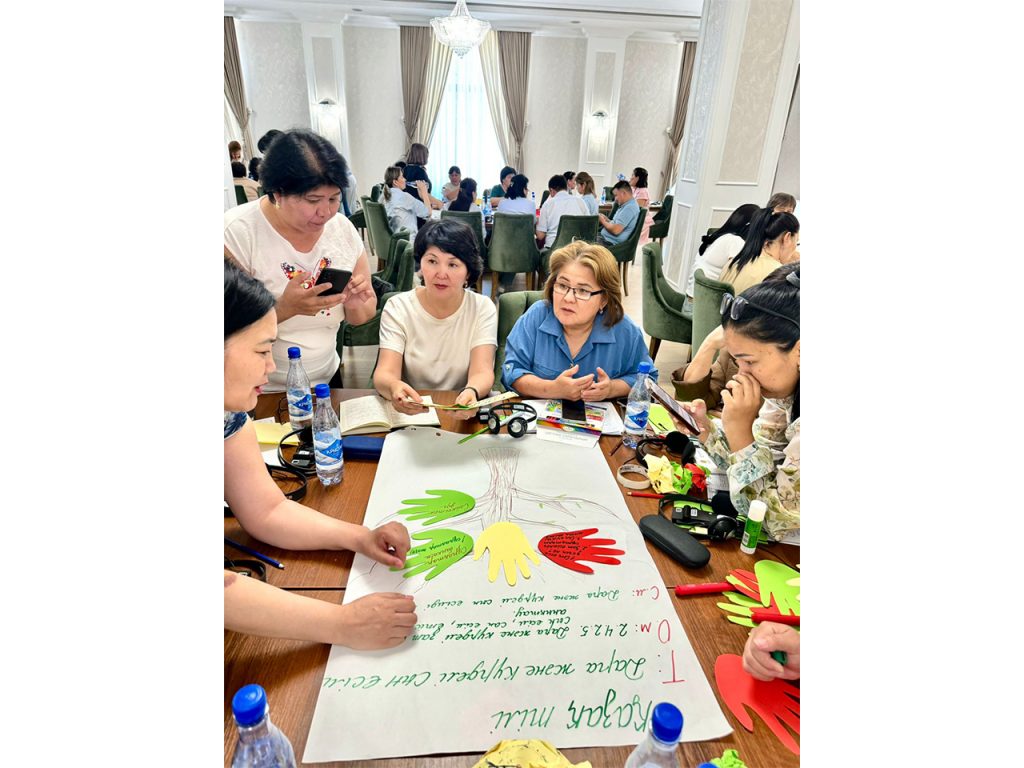
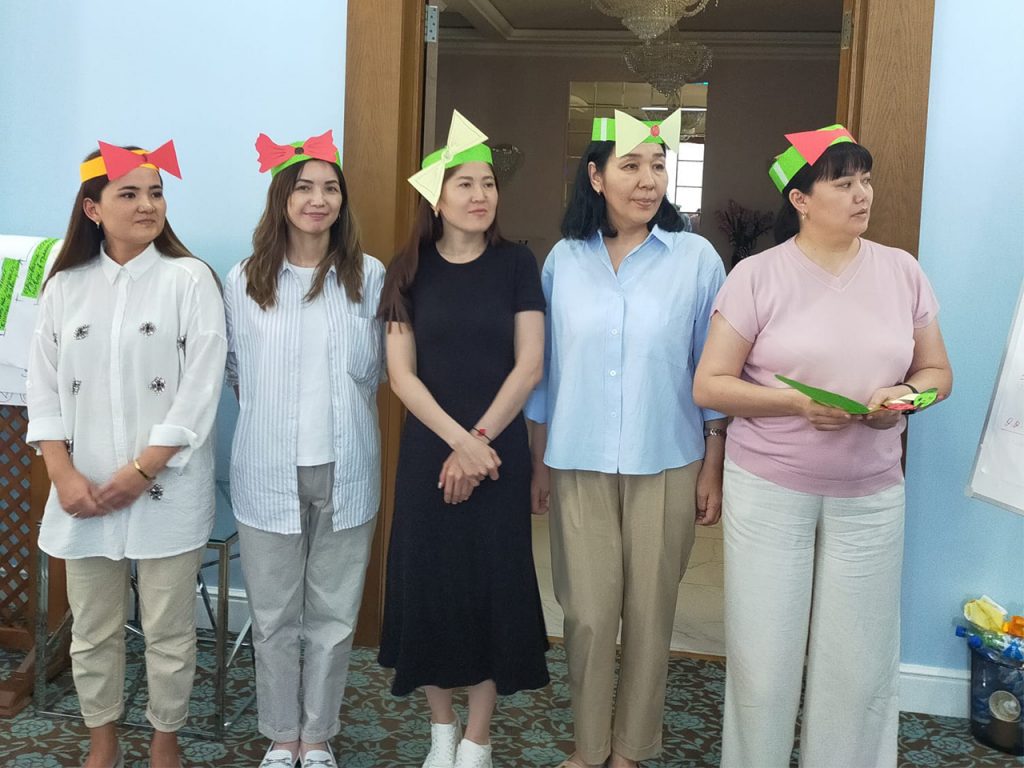
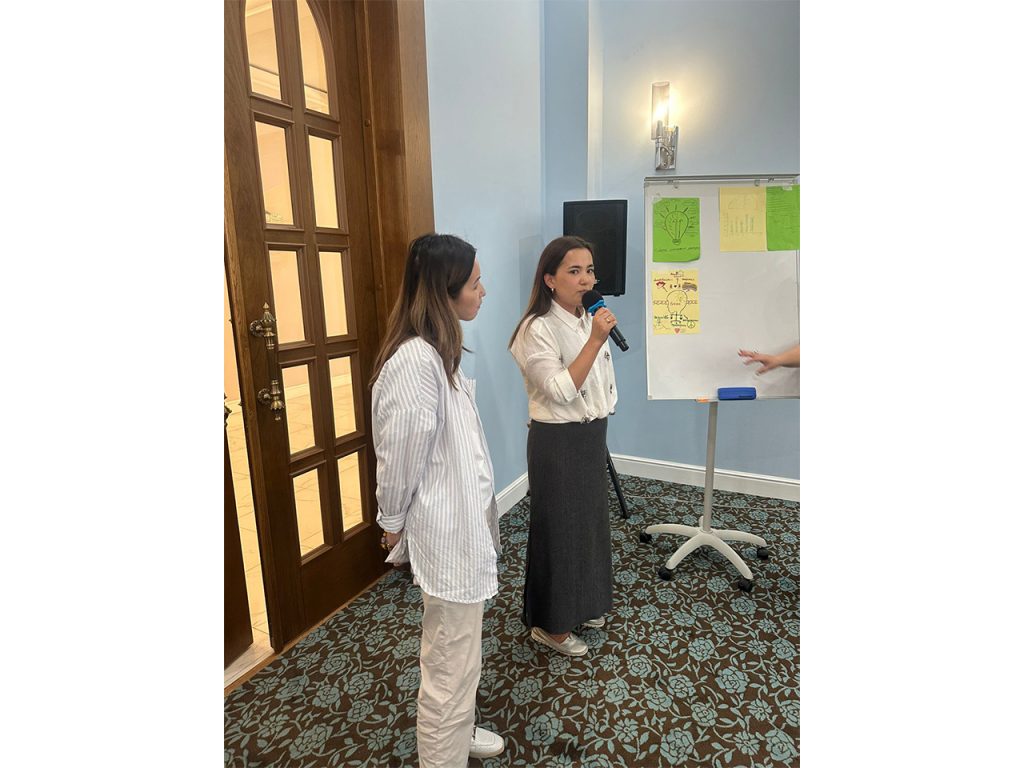
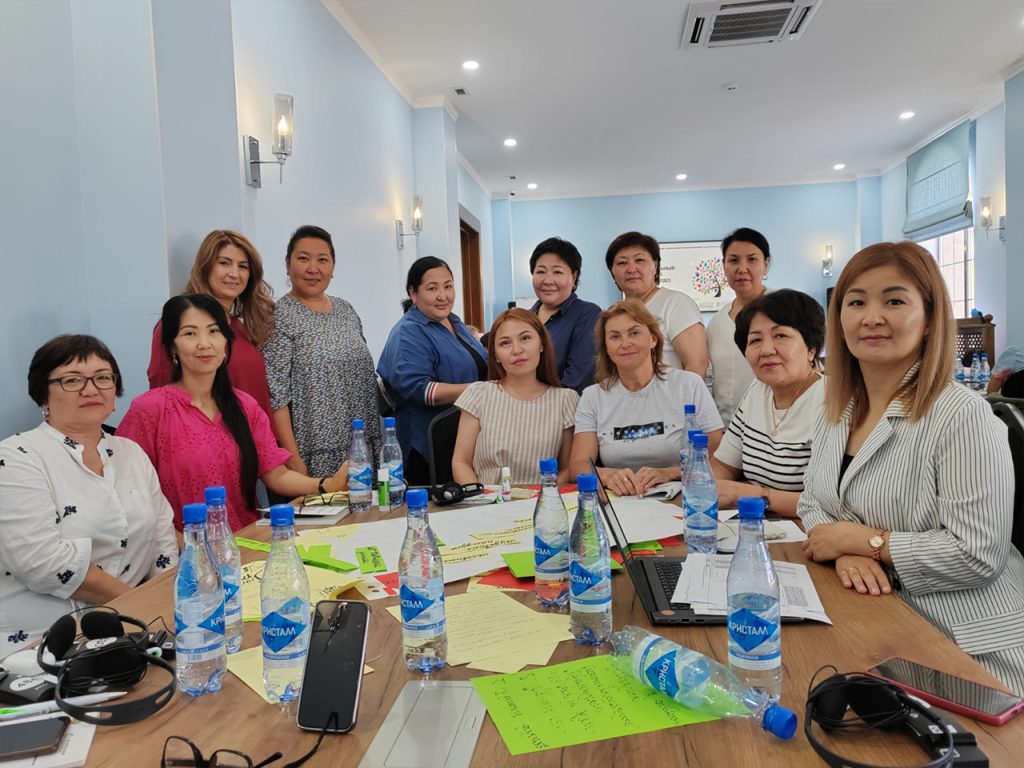
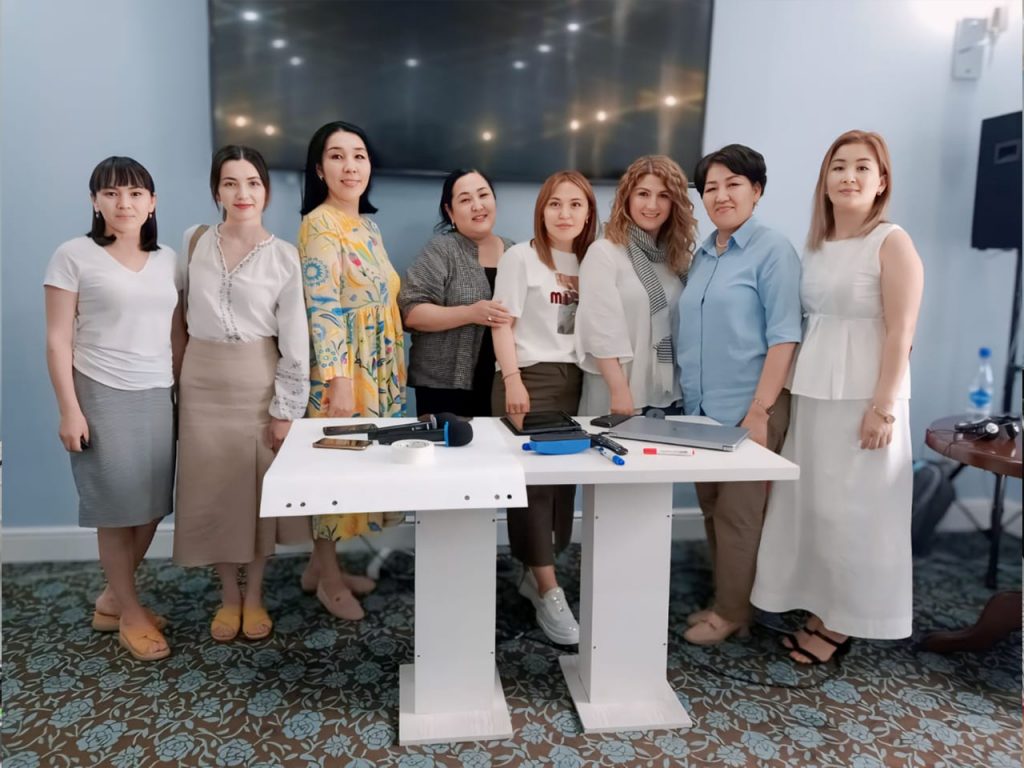
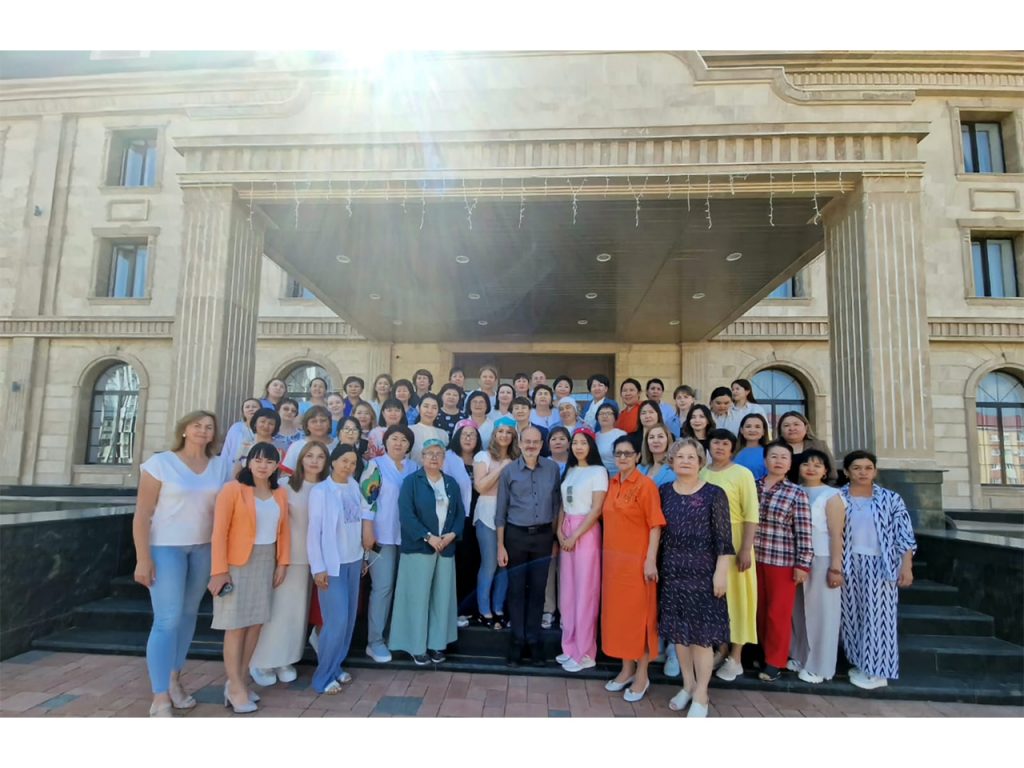
From June 03 to June 12, 2024 in Aktobe, 7 lecturers of the department of pedagogy and psychology of the West Kazakhstan Innovative and Technological University Sultaniyazova N.Zh., Kadyrzhanova Zh.E., Khalikova B.T., Amangeldieva B.N., Nurmukanbetova V.E., Mambetalieva A.Z., Kabdi Zh.S. completed advanced training courses on the topic “Model of Inclusive Education” as part of a joint project with the Ministry of Science and Higher Education of the Republic of Kazakhstan and the National University of Athens named after Kapodistrias. The following issues were addressed during the course:
- Definition of inclusive education
- Basic principles of inclusion
- Concepts and values of inclusive education
- Benefits of inclusive education
- Direct transitions and preparation for adulthood
Basic prerequisites for inclusion:
- There are no children who say “unusual” and “normal.”
- There is no “special” or “normal” world or everyday life.
- Children have more similarities than differences.
- Well-trained teachers can teach all children.
- Spatial segregation violates equality of educational opportunity.
Inclusion: A process of systematic reform involving changes and modifications in content, teaching methods, approaches, structures and strategies in education to remove barriers to ensure equitable, participatory learning experiences and environments that best suit their needs and preferences (United Nations 2016 : paragraph 11).
During the seminar, issues of the activities of inclusively oriented simple schools were discussed as the most effective means of combating discriminatory attitudes, forming friendly relations, building an inclusive society and education for all.