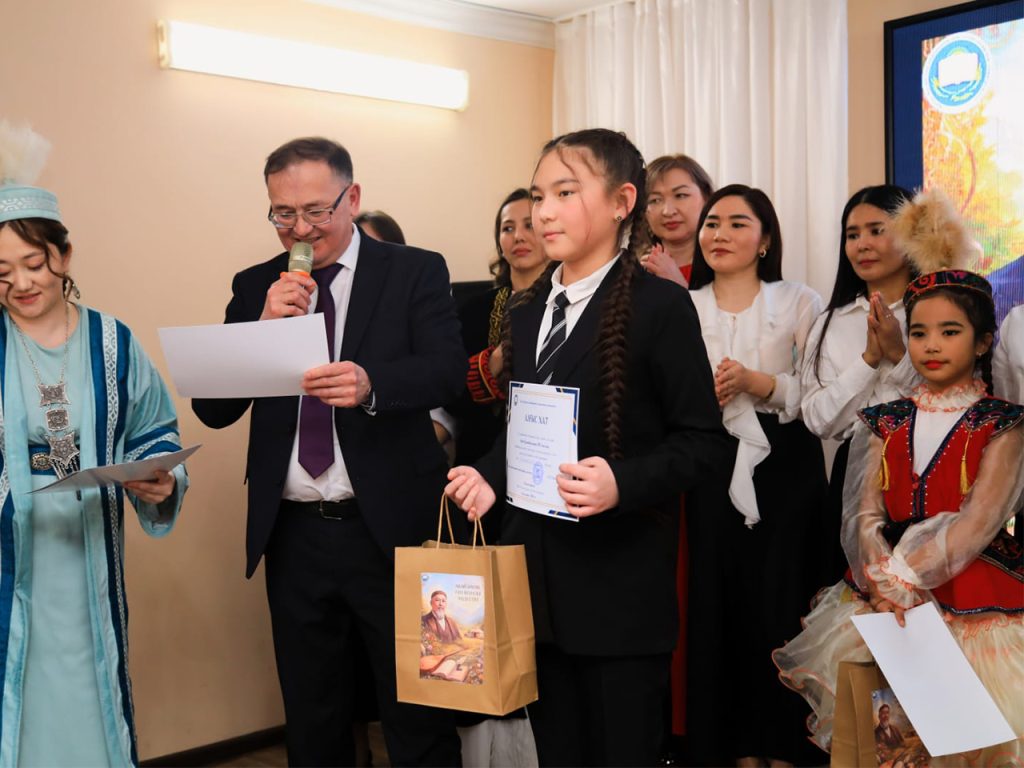
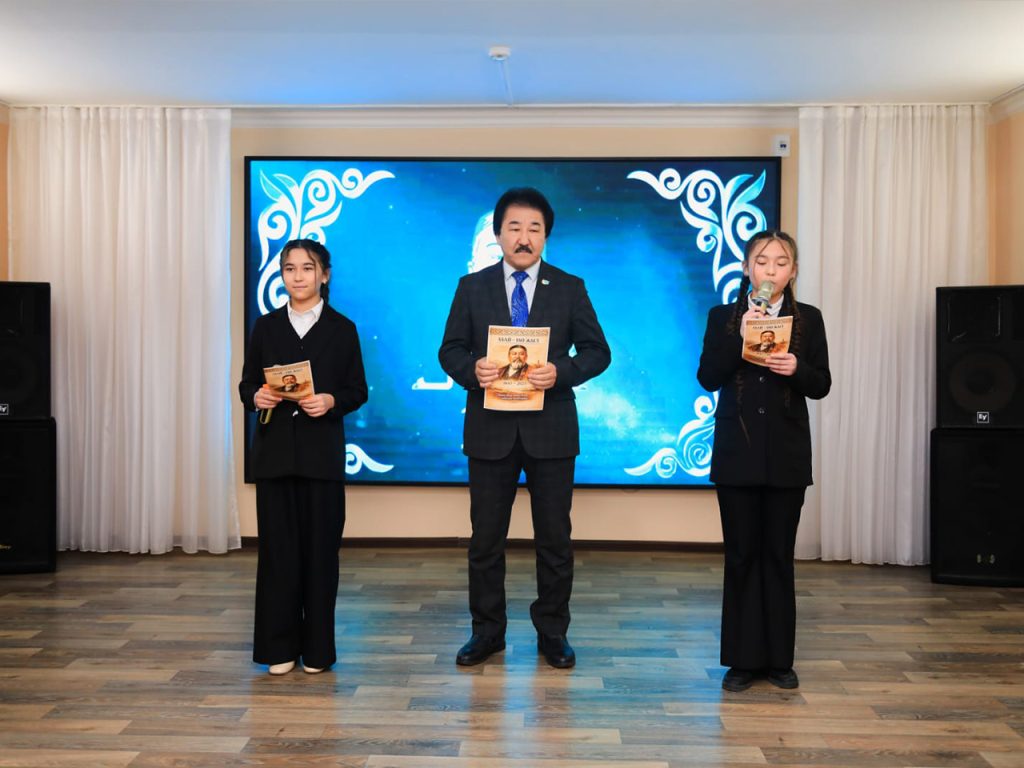
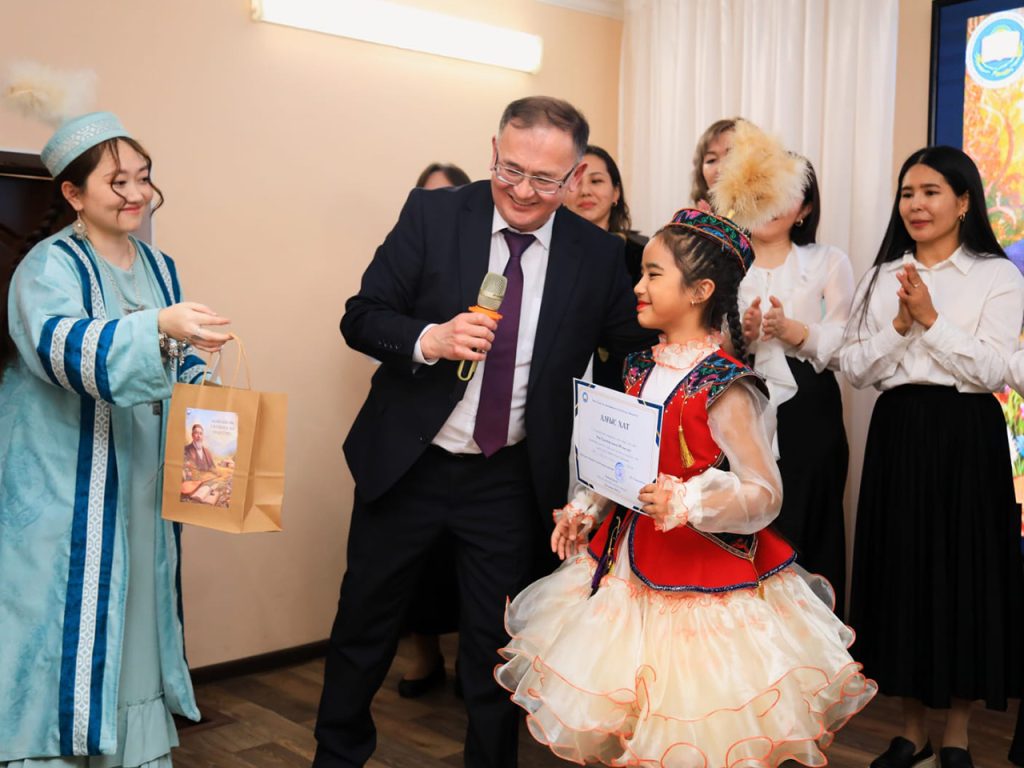
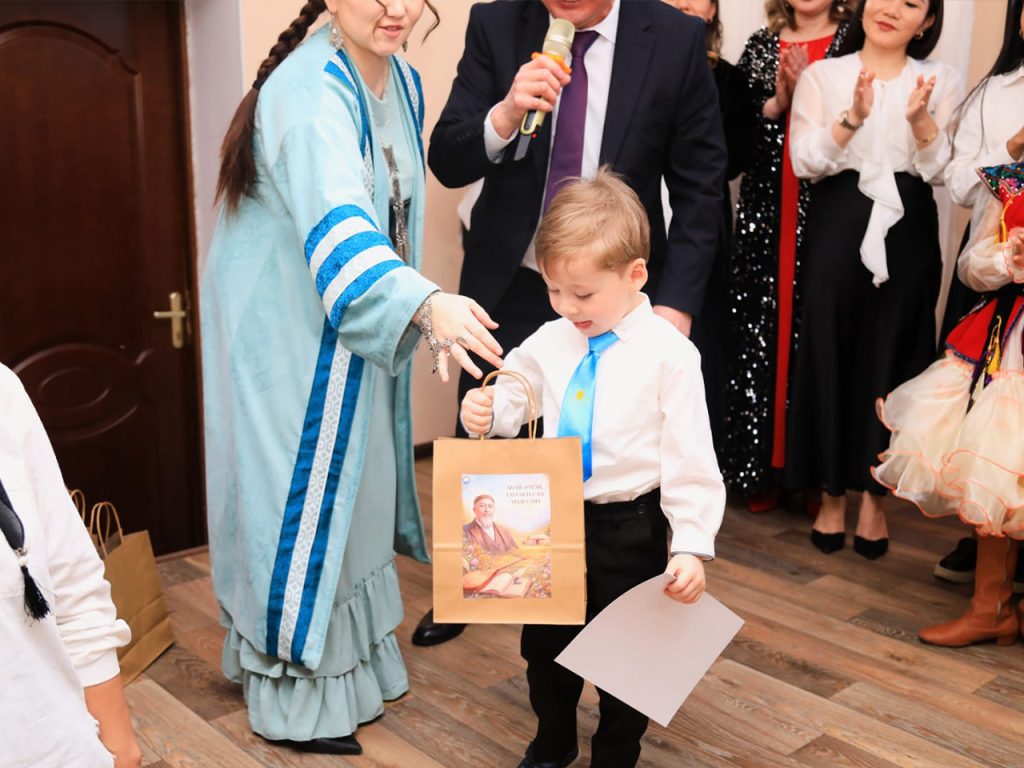
On February 13, 2026, at the West Kazakhstan Innovative and Technological University, the Department of Philology and Teaching Methods organized a spiritual and educational event titled “The World of Abai: The Harmony of Word and Melody”, dedicated to the 180th anniversary of the great poet, thinker, educator, and founder of Kazakh written literature, Abai Qunanbaiuly.
The main aim of the evening was to introduce the younger generation to Abai’s heritage, to reveal the harmony of artistic expression and melodic sound in the poet’s work, and to promote the national spirit and spiritual values.
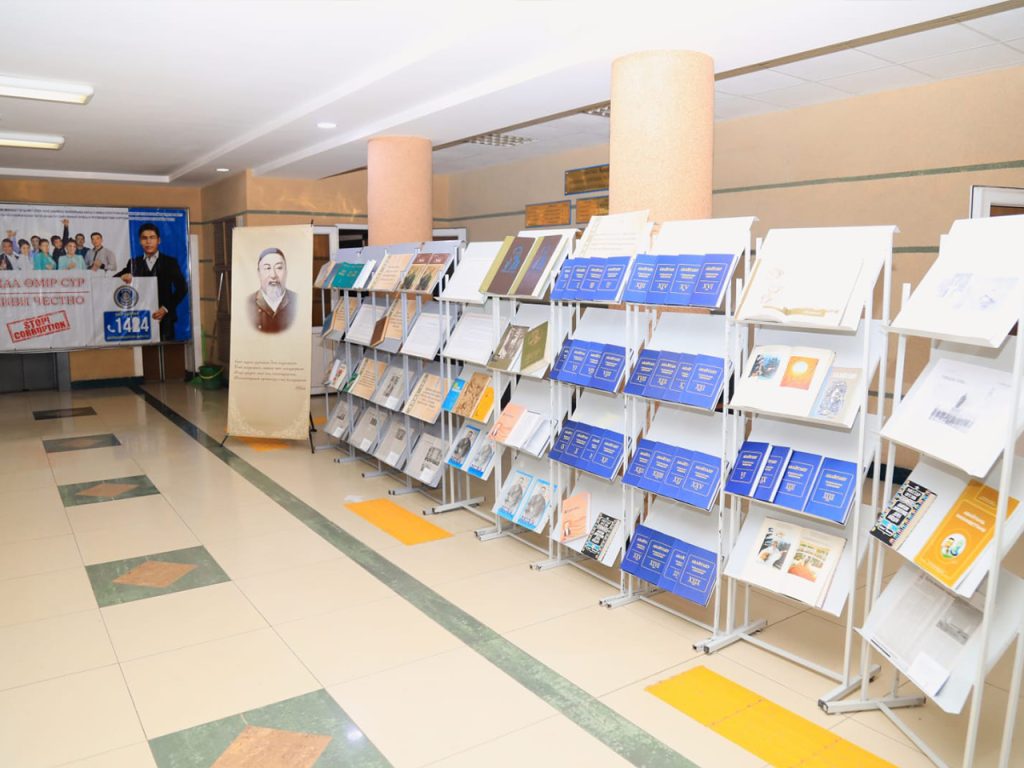
As part of the event, the university library organized a thematic book exhibition titled “Abai’s heritage — a source of education.”
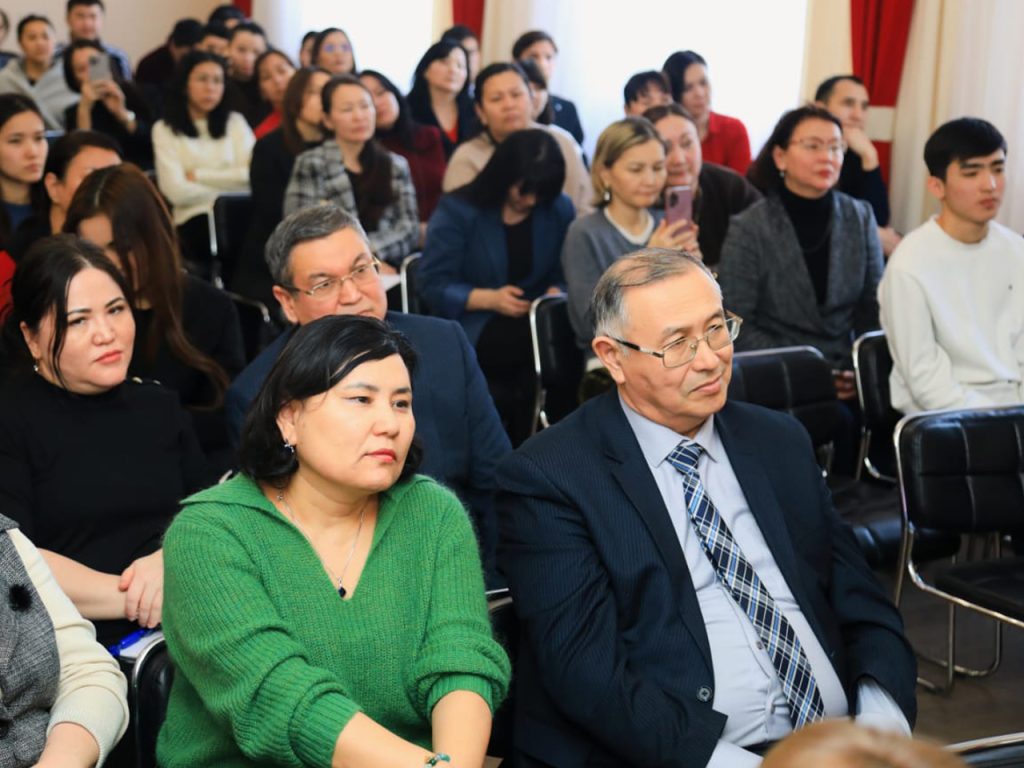
The audience was able to experience the spiritual breadth of Abai’s world, his refined mastery of language, and the depth of his philosophical thought, all conveyed through literary and musical compositions. Abai is a great figure who brought recognition to the Kazakh people worldwide. Wherever there is a Kazakh, there is Abai; wherever there is Abai, there is a Kazakh. These are two inseparable, interconnected concepts. This is our national credo.
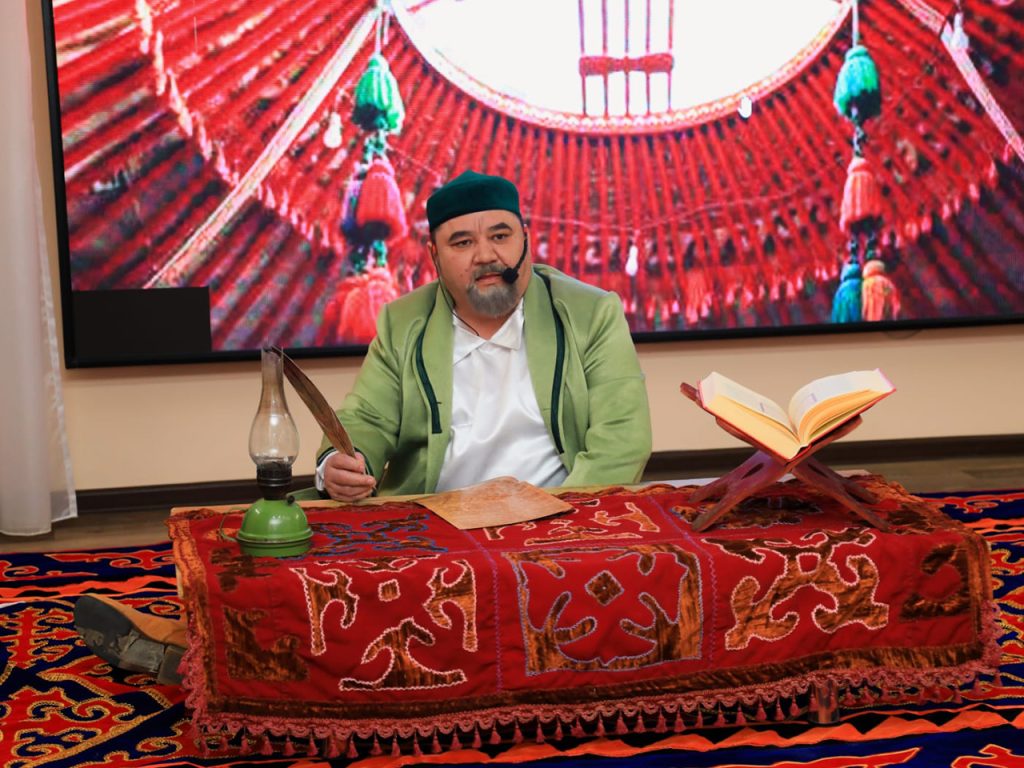
A particularly strong artistic impression was made by the stage of the literary and musical evening, which opened with Abai’s First Word of Instruction, through which the poet’s image was deeply and vividly revealed.
During the event, the faculty and students of the Department of Philology and Teaching Methods read excerpts from Abai’s poems and Words of edification, providing a comprehensive analysis of the poet’s philosophical reflections and his ideas promoting morality, education, and science.
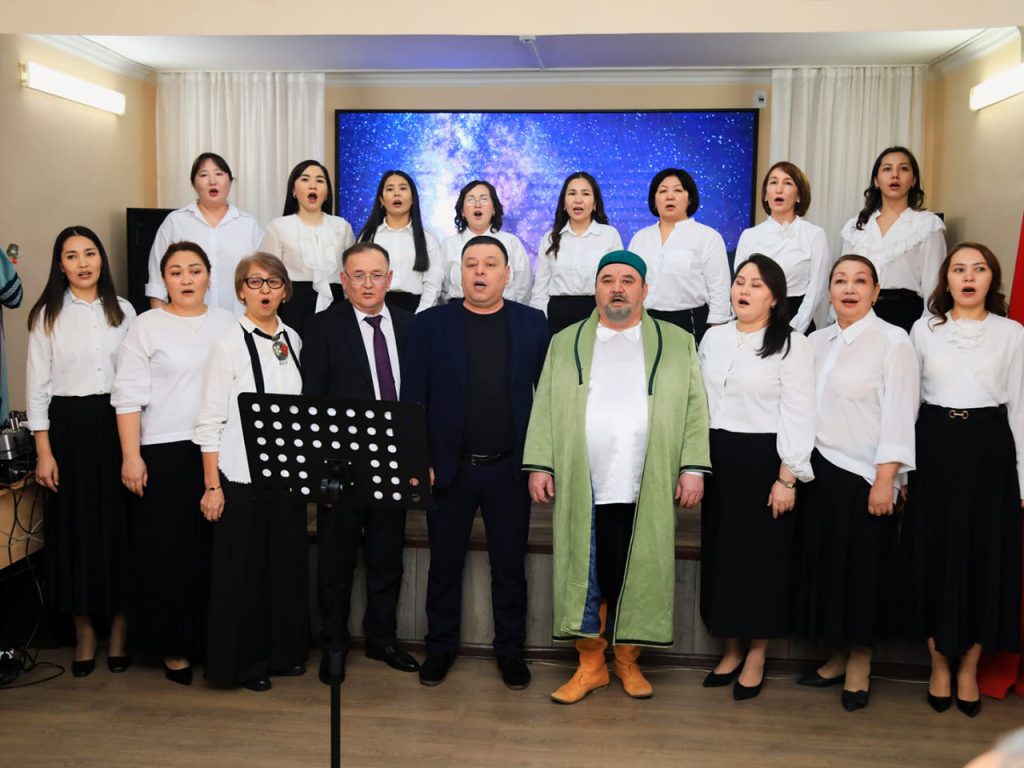
Students passionately read poetic works, performed songs, and musical pieces based on the poet’s texts, thus adding depth and spiritual richness to the evening.
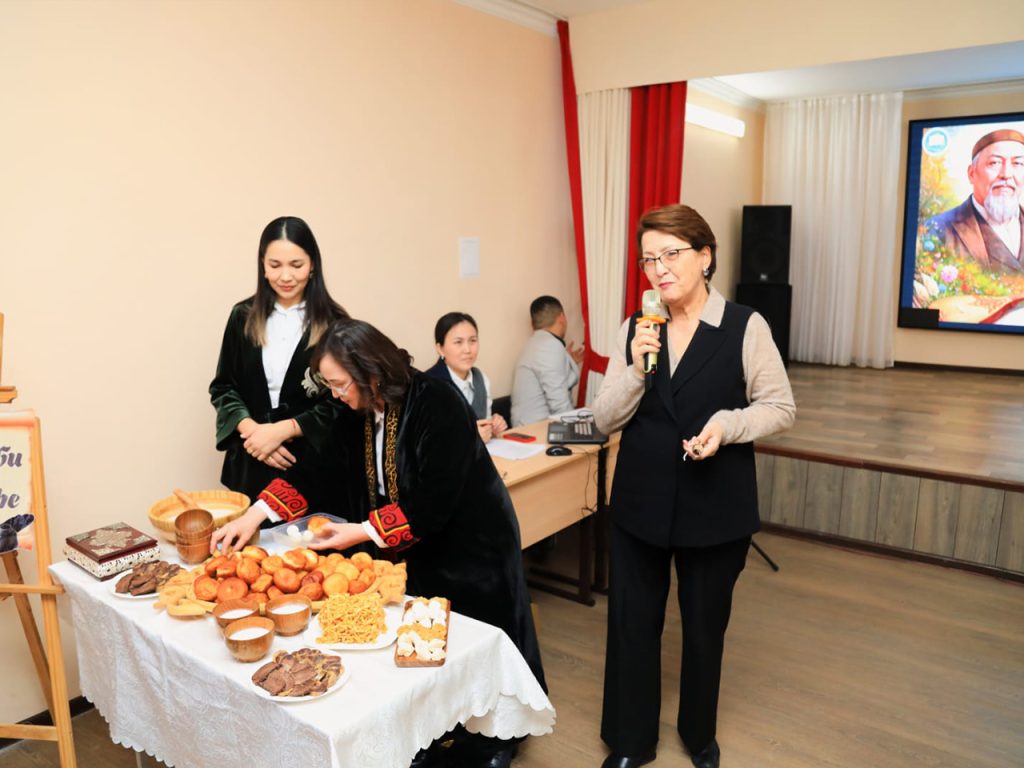
Among Kazakhs, a table with generous hospitality has always gone hand in hand with songs, music, and wise words. This is our own national value, our national code. At every table, festive songs are performed, the art of the village community is demonstrated, and guests are traditionally asked for a “qonaq qade” — an element of our cultural etiquette.
Within our evening, organized in a unique format, the “Literary Café” section became particularly vivid and memorable. Audience members were invited to participate in educational discussions, share thoughts, engage in debates, and take part in the traditional “qonaq kade”. Guests were not merely spectators: they stepped onto the café stage, sampled treats, answered questions, exchanged opinions, and shared their knowledge about Abai. Knowing Abai is a continuous process, constantly renewed and revitalized with each new generation.
Participants emphasized that the works of the great poet remain relevant today, and his ideas resonate with modern society. They also expressed special appreciation, noting: “Today, each of us took away from the evening a thought, a lesson, and a spiritual value.”
The spiritual evening “The World of Abai: The Harmony of Word and Melody” proved to be one of the events of high educational and cognitive value for the university students. Such noble initiatives, aimed at promoting Abai’s heritage, will continue in the future.