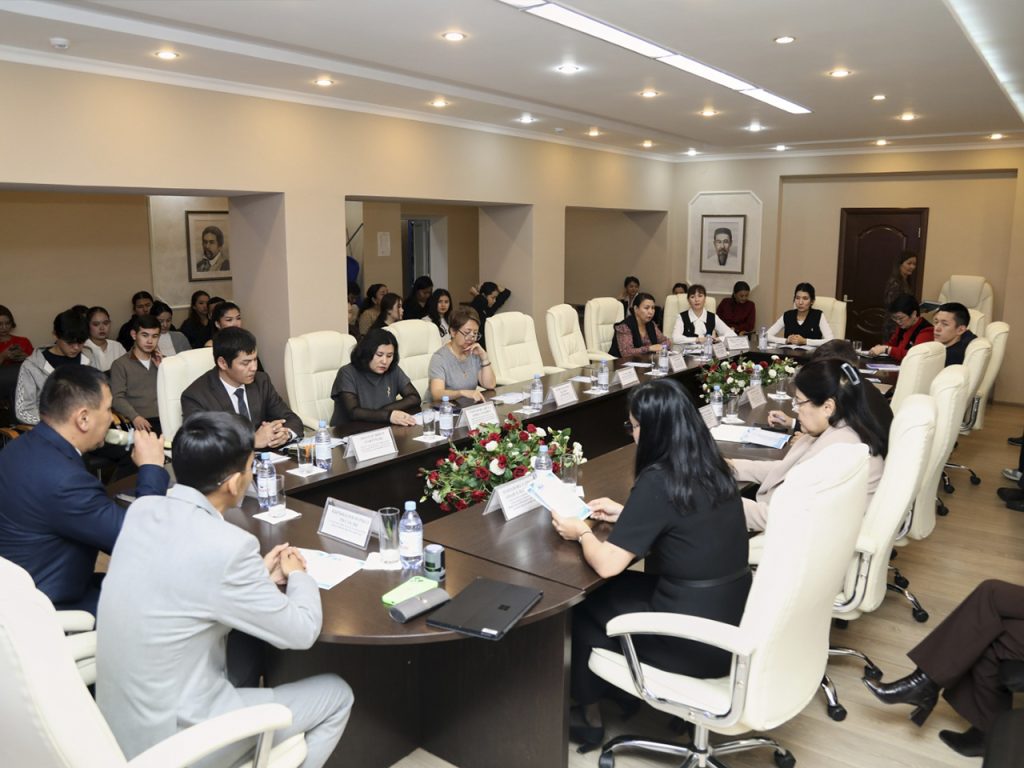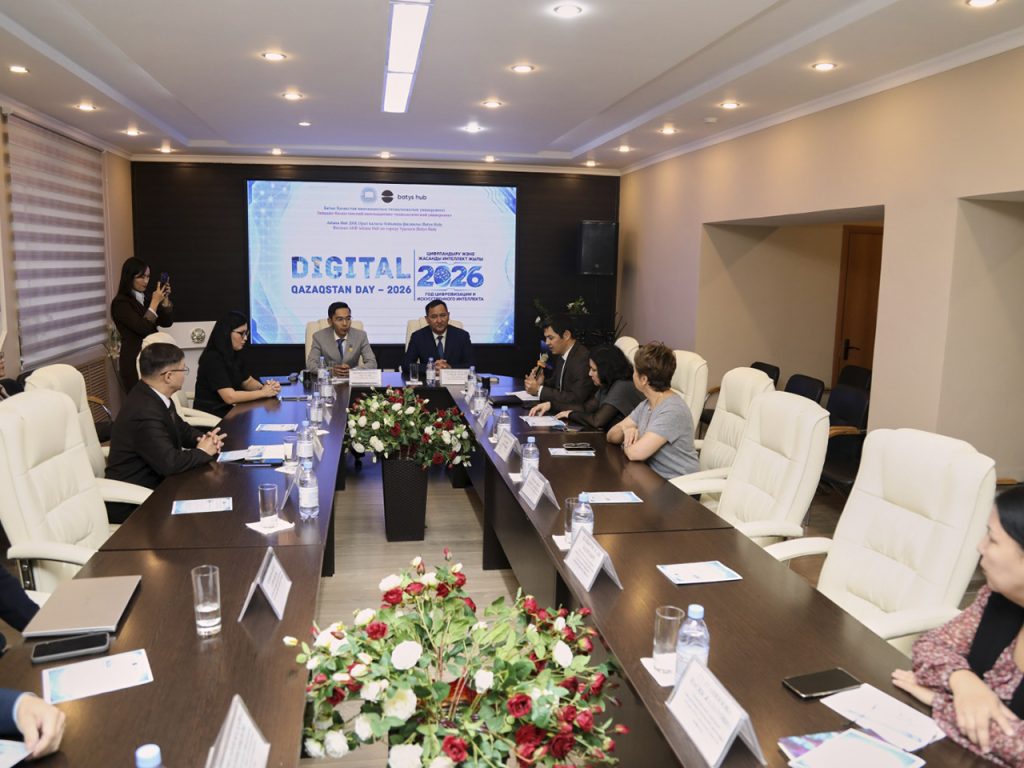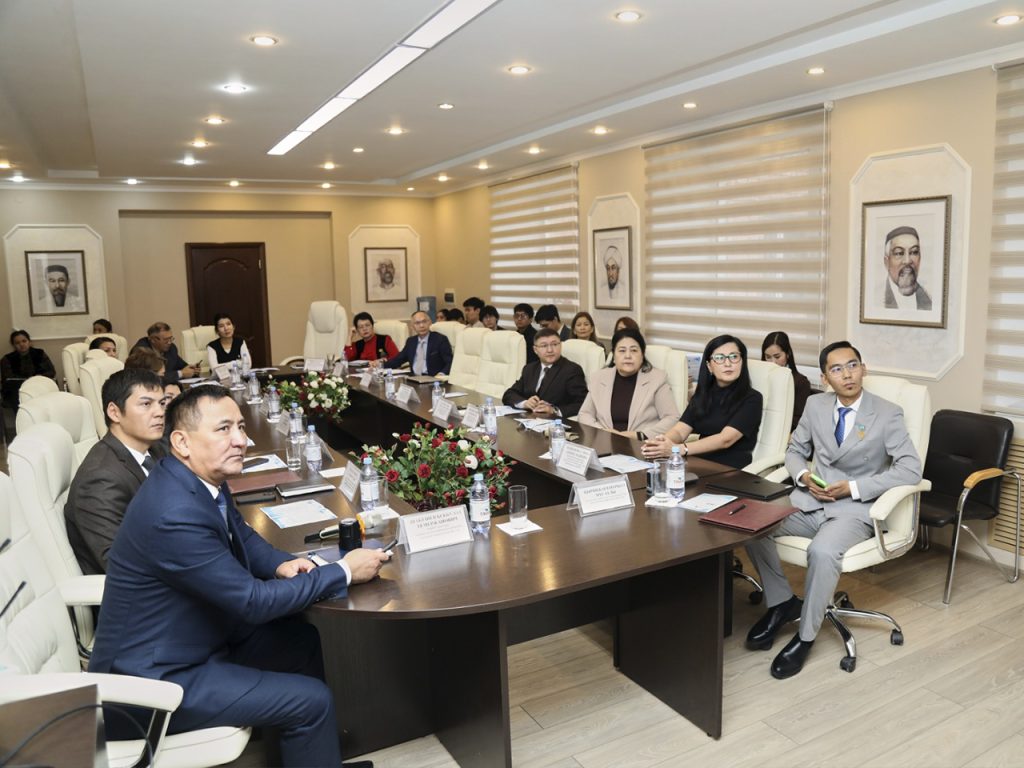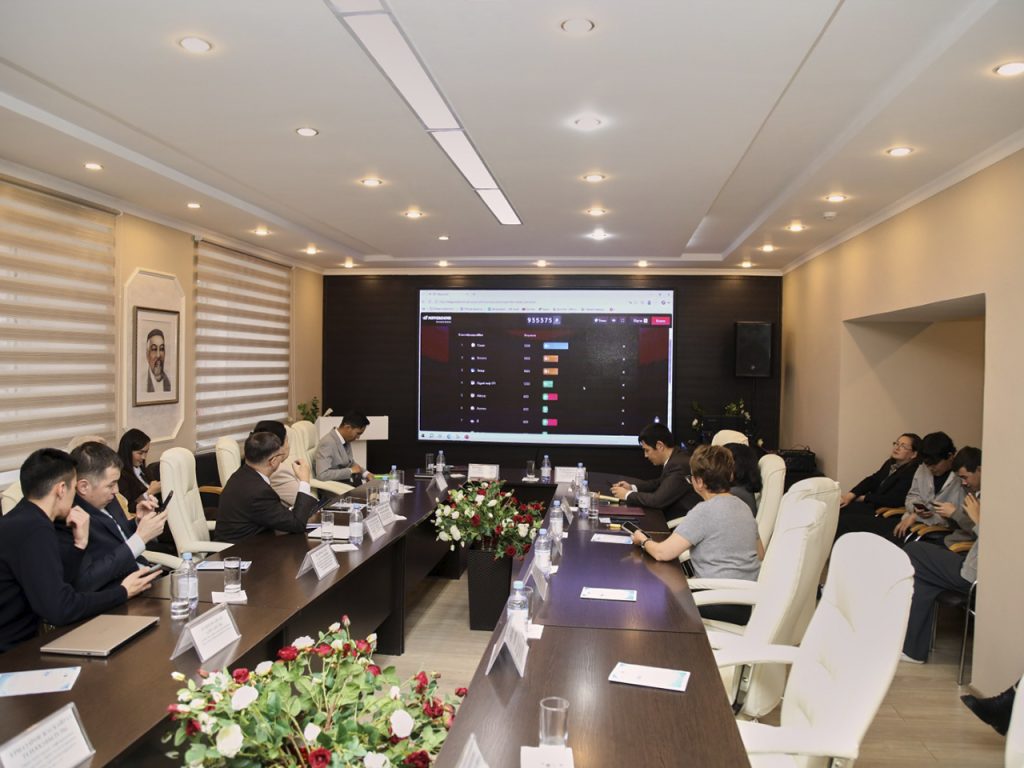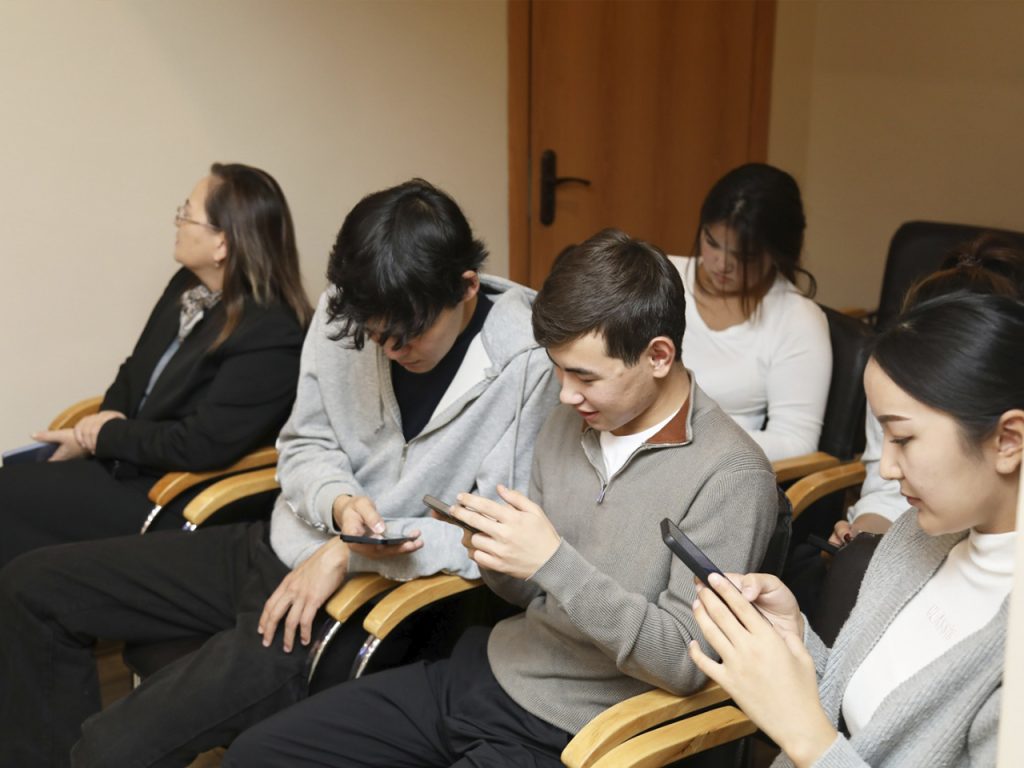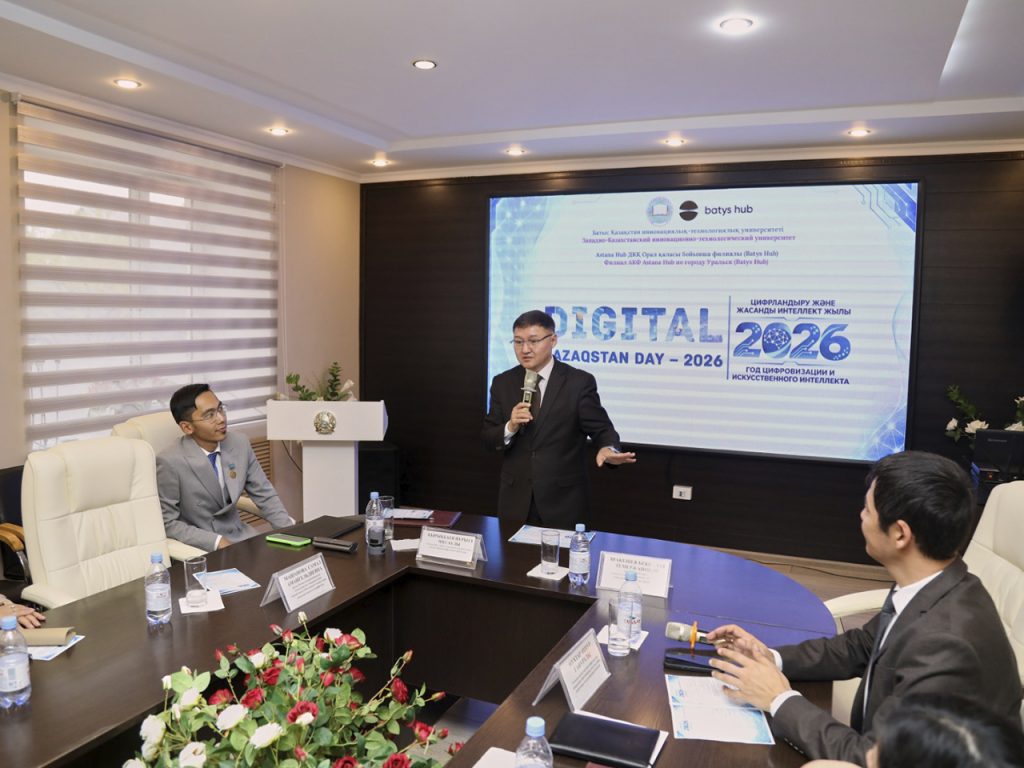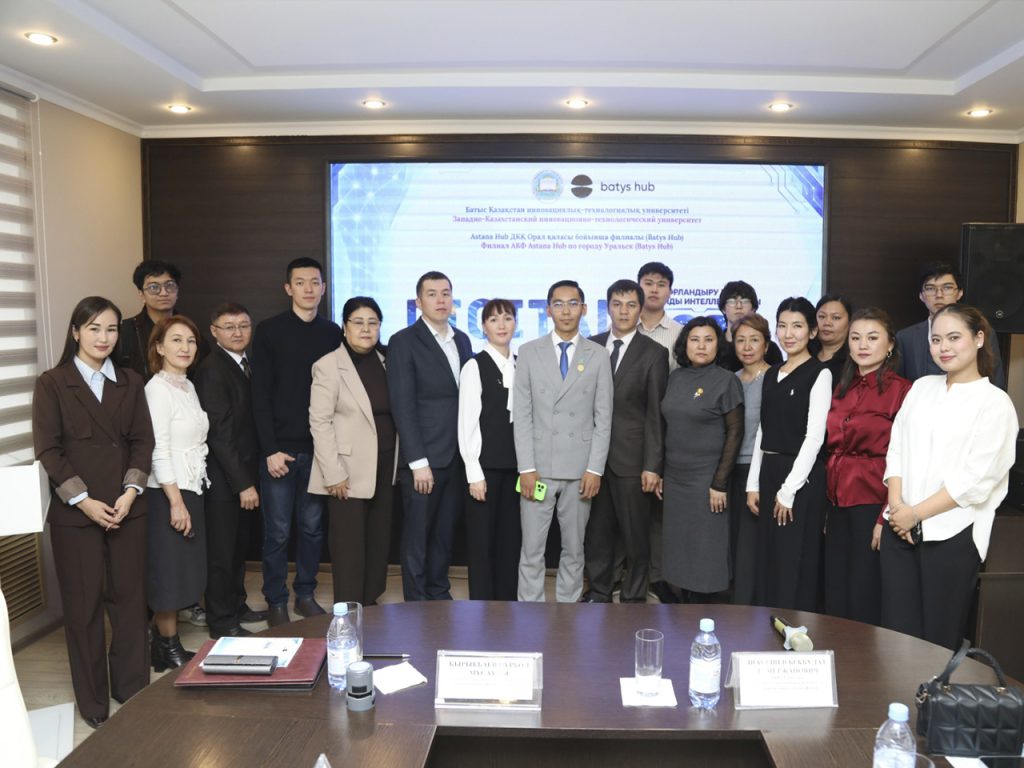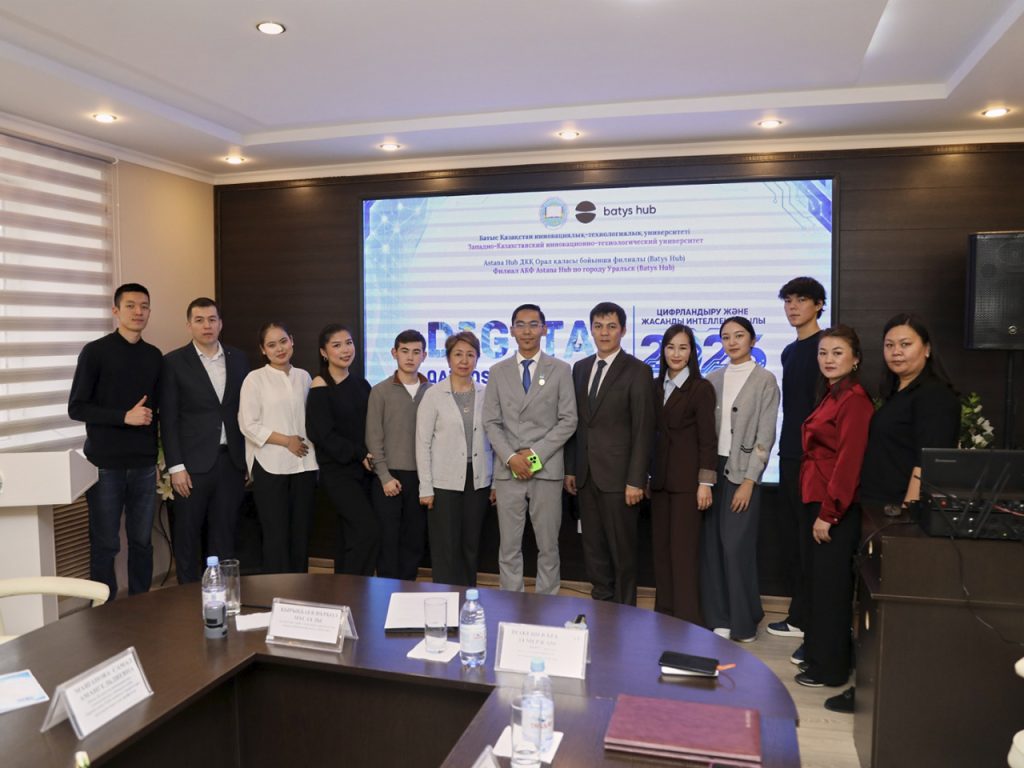
To mark 10 November – the Day of Digitalization and Information Technology Workers – West Kazakhstan University of Innovation and Technology hosted a series of educational IT events entitled “IT-Generation: A Step into the Future.” The event was organized by the University’s Center for Educational Technologies and Artificial Intelligence and the Department of Natural Sciences.
The events were held within the framework of the “Digital Qazaqstan Day – 2026” concept and brought together IT professionals, students, young researchers, and representatives of the technology community on a single platform. The primary purpose of the meeting was to increase young people’s interest in information technology, introduce them to current trends in artificial intelligence, support innovative student projects, and strengthen cooperation between the University and the IT industry.
The event began with an exhibition of research projects. The exhibition featured the University researchers’ academic works in digital technologies, artificial intelligence, information security, and programming, as well as copyright certificates obtained for their research outputs. Participants explored the practical potential of the projects and discussed their possible applications in the educational process, information security, and the automation of routine tasks.
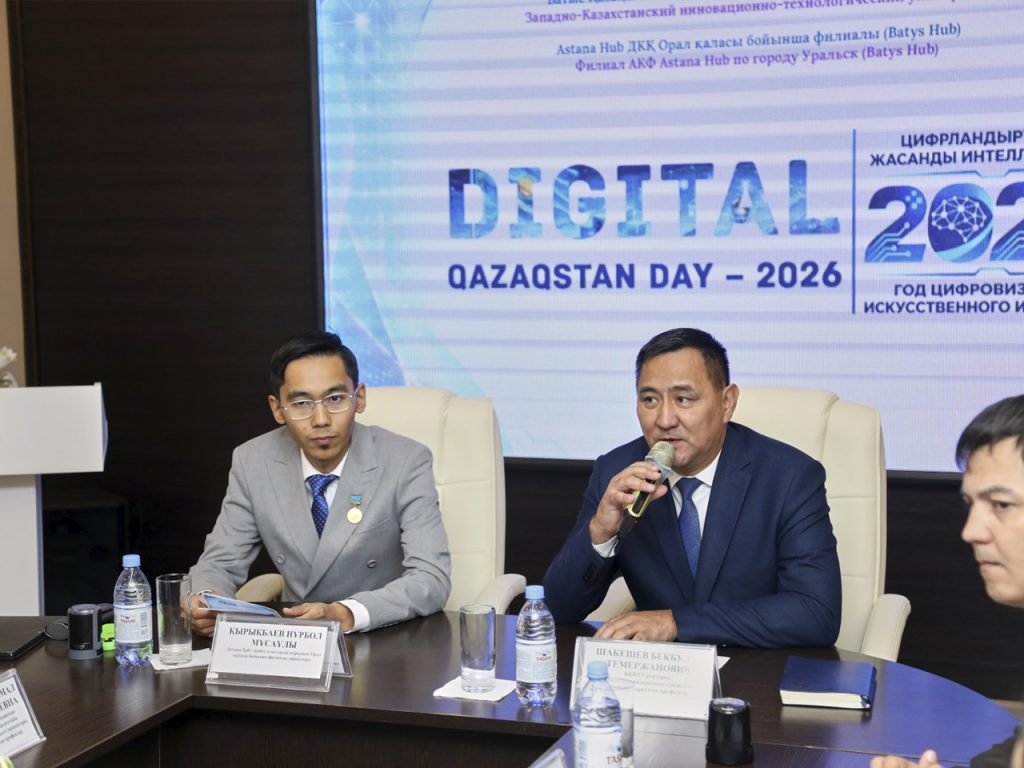
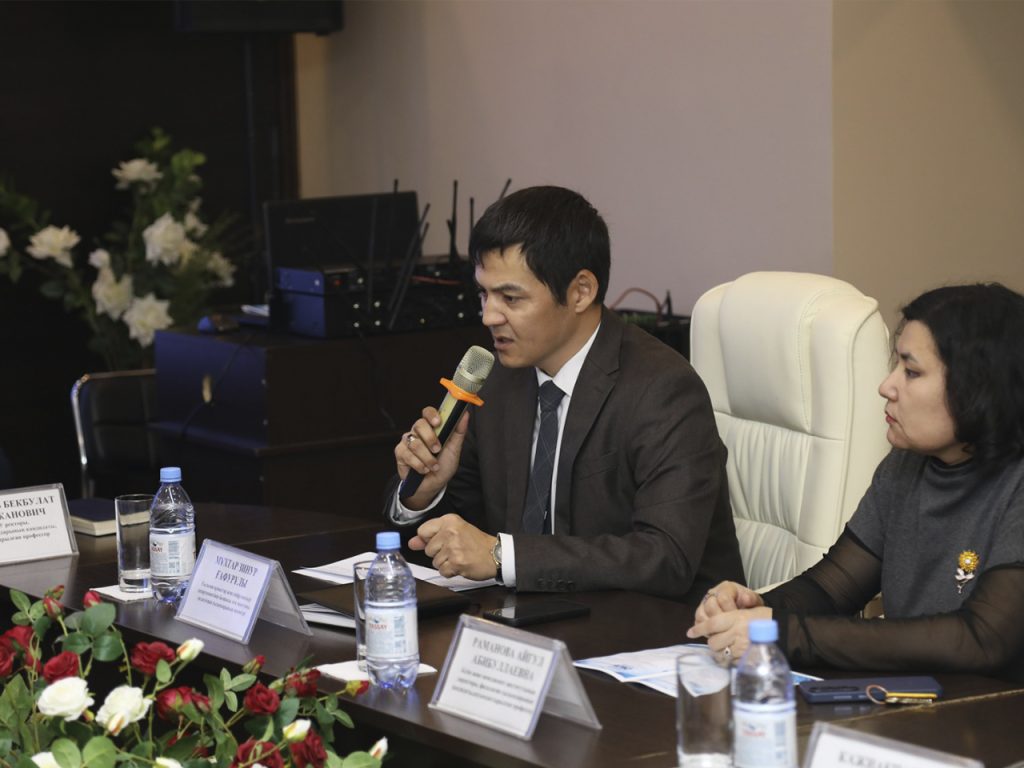
At the official opening ceremony, Bekbolat Temerzhanuly Shakeshev, Rector of West Kazakhstan University of Innovation and Technology, Candidate of Technical Sciences and Associate Professor, delivered a welcoming address. The Rector emphasized the importance of training competitive professionals in the context of digital transformation, integrating artificial intelligence technologies into the educational process, and supporting students’ research and startup initiatives. He also noted that the innovative environment developing at the University creates opportunities for young people to realize their creative and research potential.
Nurbol Musauly Kyrykbayev, Director of the Uralsk Branch of the Astana Hub Autonomous Cluster Fund, spoke about efforts to develop the regional IT ecosystem, expand young people’s participation in technological entrepreneurship, and support promising startups. He emphasized that sustainable partnerships between universities, IT companies, and innovation development institutions help transform new ideas into viable technological products.
Memorandum of Cooperation Signed
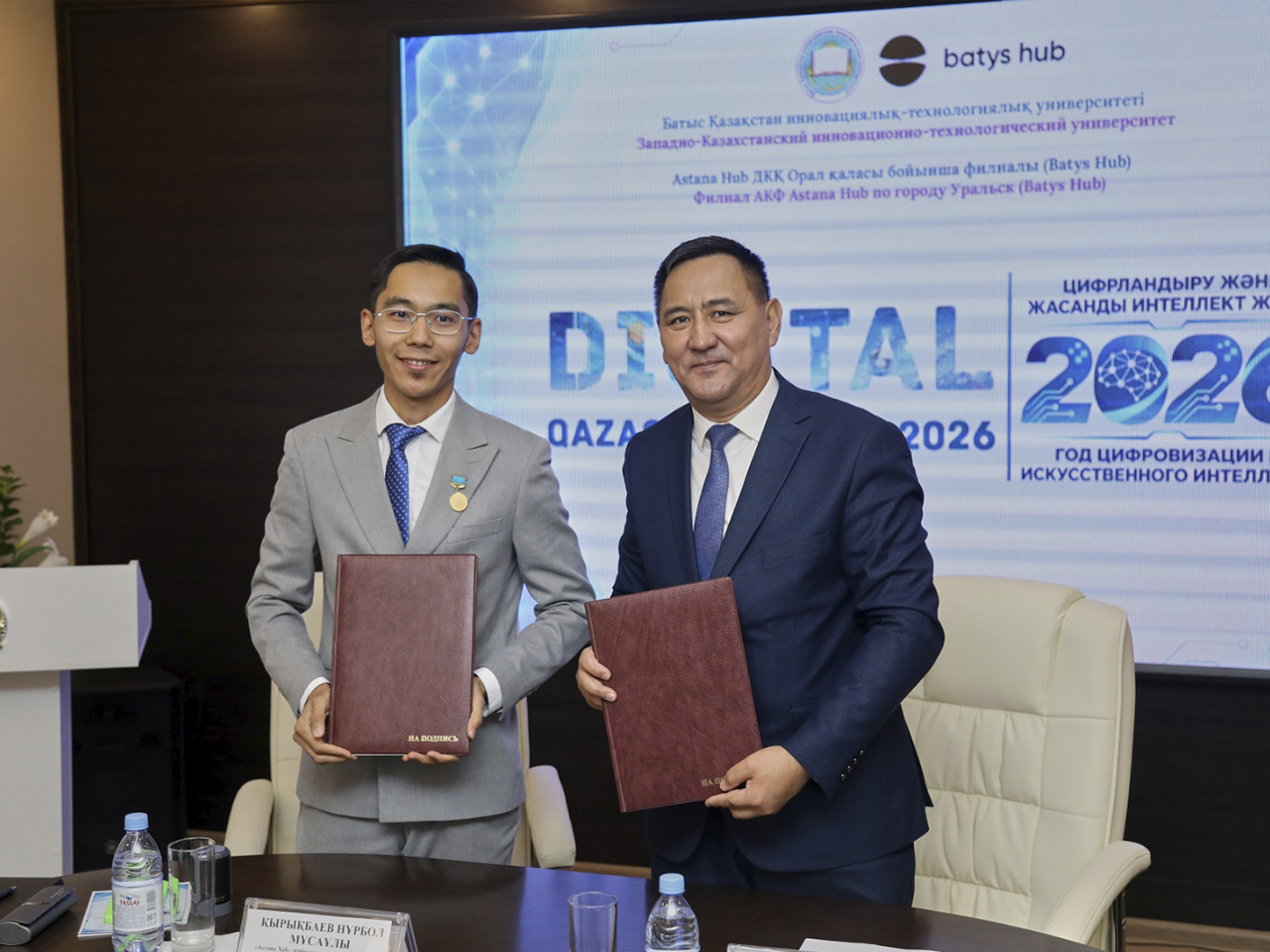
One of the most significant moments of the meeting was the signing ceremony of a Memorandum of Cooperation between West Kazakhstan University of Innovation and Technology and the Uralsk Branch of the Astana Hub Autonomous Cluster Fund.
The document is aimed at developing a long-term partnership between the parties and combining the University’s academic and educational potential with Astana Hub’s innovation infrastructure. The memorandum provides for:
• the joint development of innovation, startup, and educational ecosystems;
• the exchange of knowledge and experience in digital technologies, artificial intelligence, startup project development, and technology transfer;
• the participation of representatives of both parties in conferences, seminars, forums, B2B meetings, and other professional events;
• support for student and youth startups and the development of a culture of technological entrepreneurship;
• the implementation of other areas of cooperation agreed upon by the parties.
This agreement will provide a foundation for strengthening ties between education, research, and technological entrepreneurship in the region.
IT Professionals Shared Their Experience
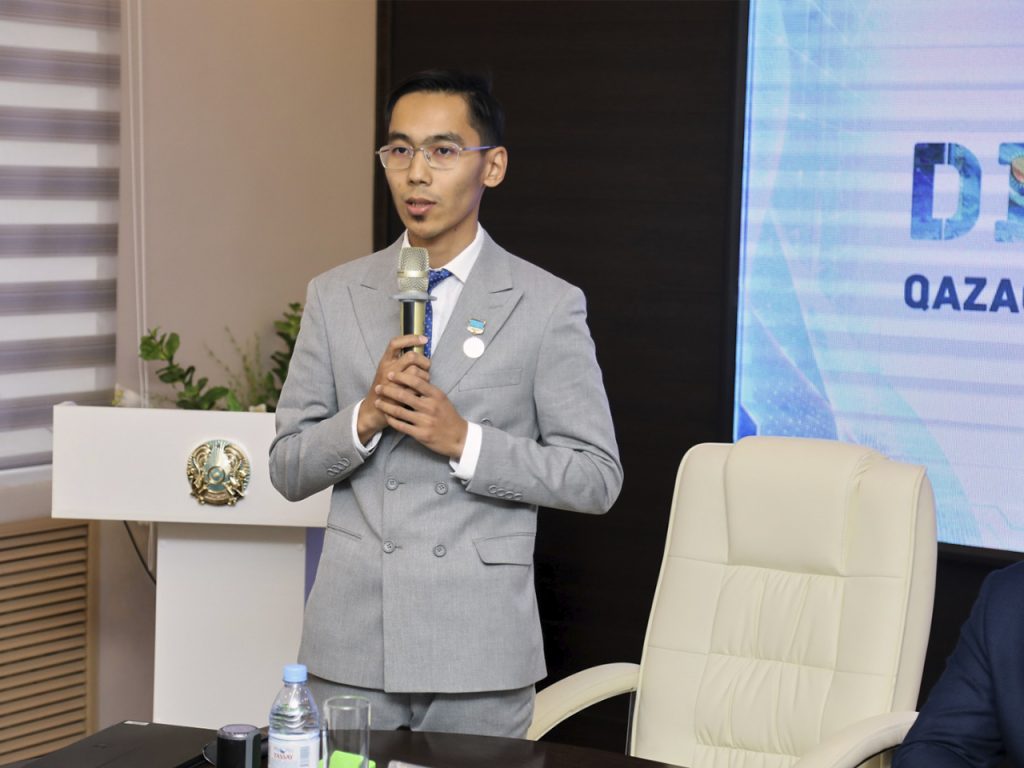
The programme continued with an engaging mini-TEDx session. Samat Sagatkaliuly Shagirov, Deputy Director for Information Technology at the Uralsk College of Information Technology and Master of Technical Sciences, delivered a talk entitled “My Journey in IT: From the Classroom to the System.”
The speaker shared his experience of professional development in the IT sector and explained the importance of continuously improving one’s knowledge and practical skills, working on real-world projects, and adapting to modern technological changes.
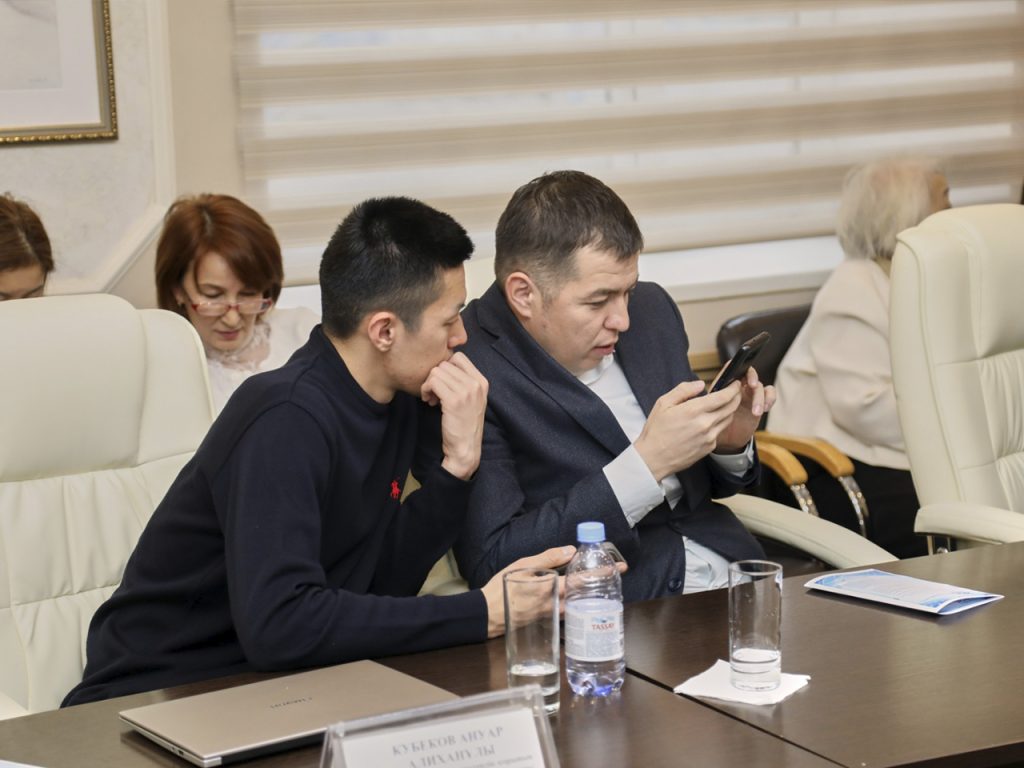
Anuar Alikhanuly Kubekov, a specialist at the Uralsk Branch of the Astana Hub Autonomous Cluster Fund, presented a talk entitled “Designing AI Agents and Vibe Coding for Optimizing Internal Processes.”
The presentation covered the principles of developing artificial intelligence agents, their potential for automating repetitive workflows, and ways of applying Vibe Coding approaches to practical tasks. Participants gained valuable insights into how AI tools can contribute to software development and improve the efficiency of organizations’ internal processes.
Students Presented Artificial Intelligence Projects
As part of the “Artificial Intelligence and Programming Languages” practical workshops, students presented their research and applied projects.
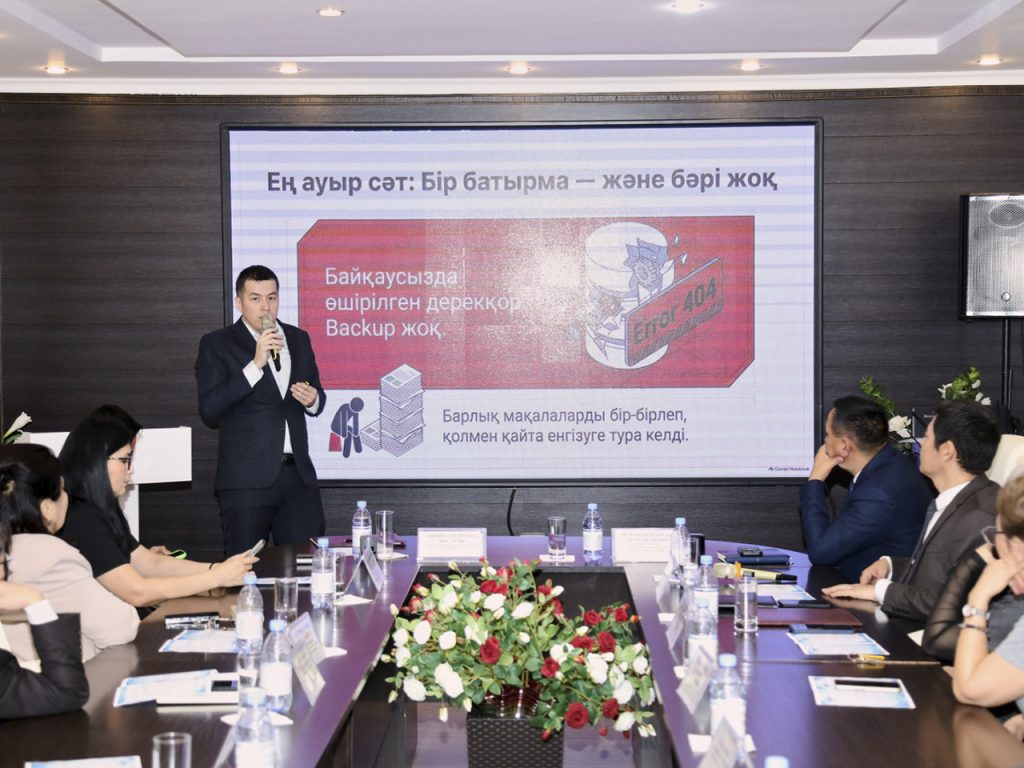
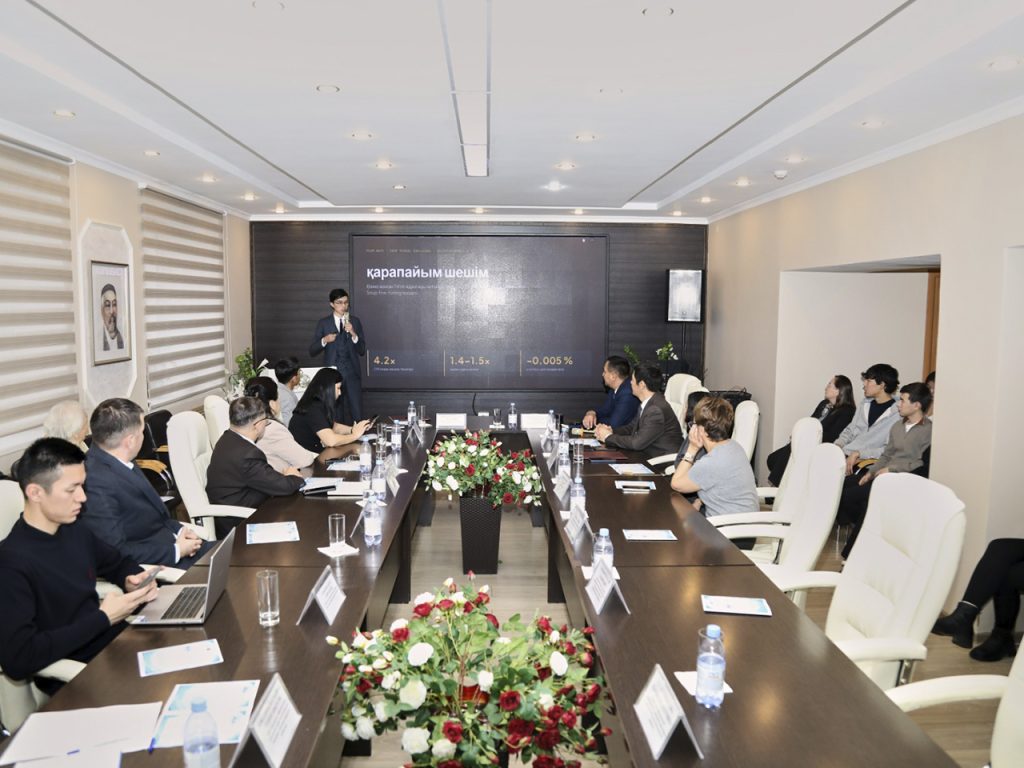
Shadiyar Mussin and Mansur Otepbergen, students of the Mathematics educational programme, presented their project entitled “AI enderending by soup.” The project was supervised by Zhadyrа Serikovna Kazhiakparova, Candidate of Pedagogical Sciences and Associate Professor. During the presentation, the students described the stages of the project’s development, the digital tools used, and the capabilities of artificial intelligence employed in the project.
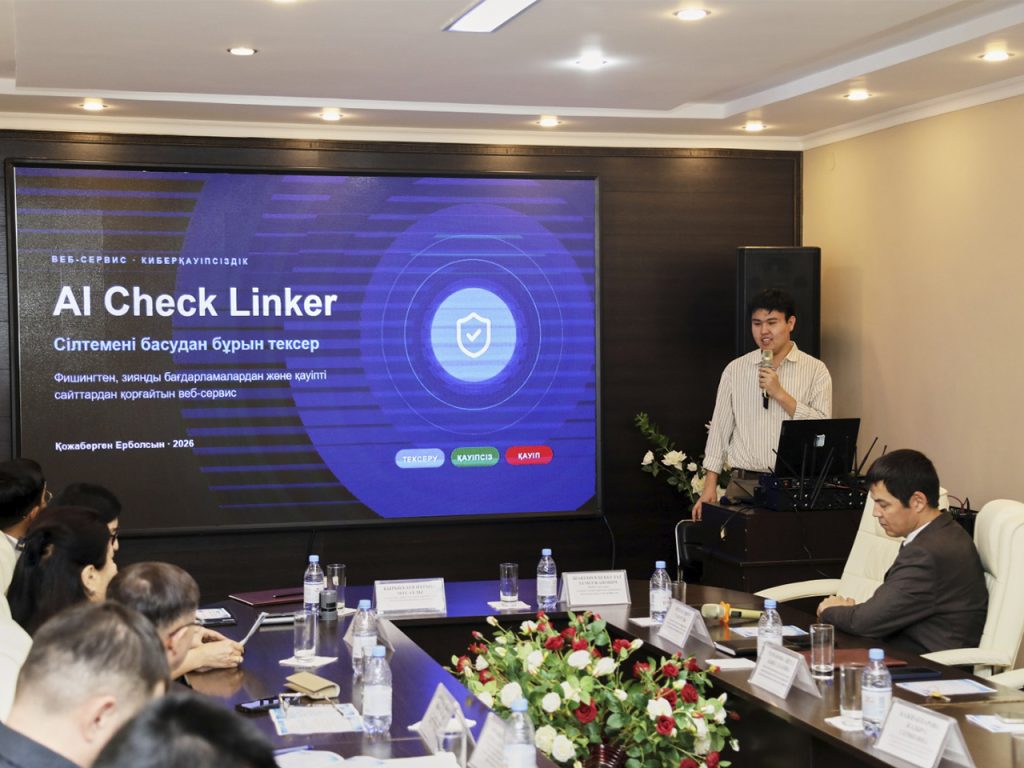
YЕrbolsyn Zhailanuly Kozhabergen, a master’s student in the Informatics educational programme, presented “AI LINK CHECKER — an AI System for Detecting Phishing Websites.” The system is designed to use artificial intelligence to identify suspicious links and phishing resources on the internet. The project was supervised by Zhadyrа Serikovna Kazhiakparova, Candidate of Pedagogical Sciences and Associate Professor.
The project addresses one of the most pressing challenges in today’s digital environment: protecting users from fraudulent websites, links designed to steal personal data, and online scams. The presentation demonstrated the system’s operating principles, methods for identifying signs of phishing, and opportunities for its further development.
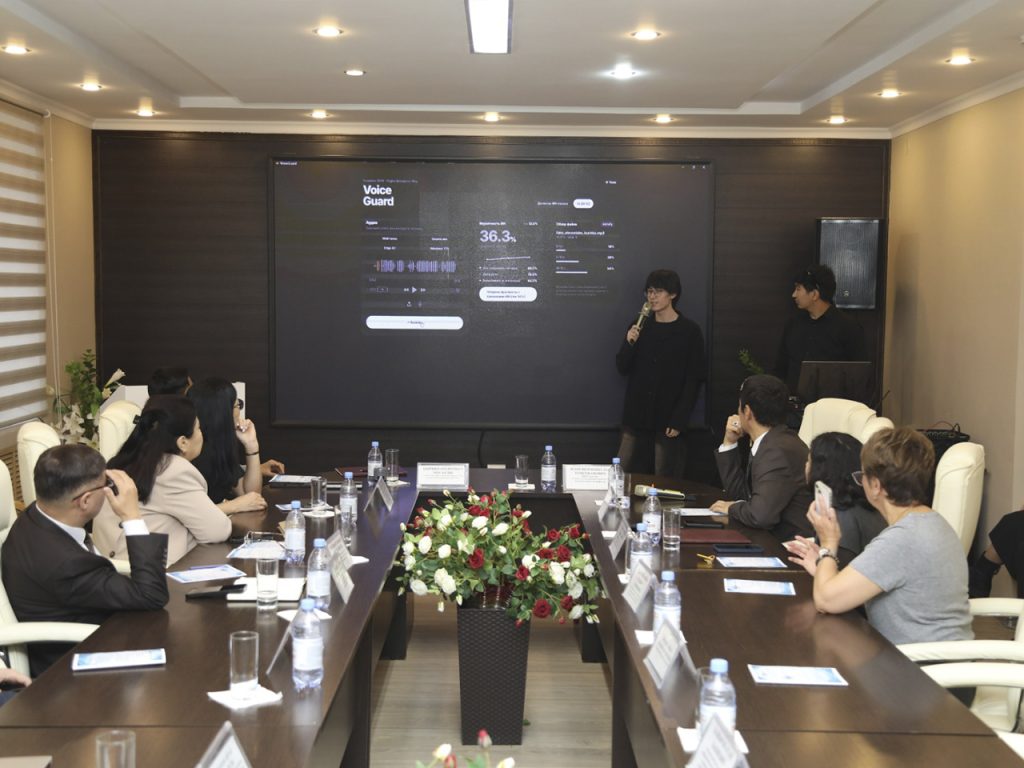
Arsen Uspanov and Orynbek Gumarov, students of the Computer Engineering and Information Systems educational programmes, presented “VoiceGuard: A Fake Voice Detection System.” The project was supervised by Akbayan Maksimovna Sarsengaliyeva, Master’s degree holder and Senior Lecturer.
The VoiceGuard system is designed to identify voice recordings generated or modified using artificial intelligence. Amid the rapid development of generative technologies, the project highlighted the growing importance of verifying the authenticity of audio information, countering the spread of fake voice recordings, and strengthening digital security.
The presented projects demonstrated that students not only possess theoretical knowledge of artificial intelligence technologies but can also apply them to real-world social and technological challenges. Participants exchanged views with the project authors and their academic supervisors and asked questions about the projects’ functionality, practical significance, and potential for future commercialization.
“IT-Battle” Intellectual Quiz
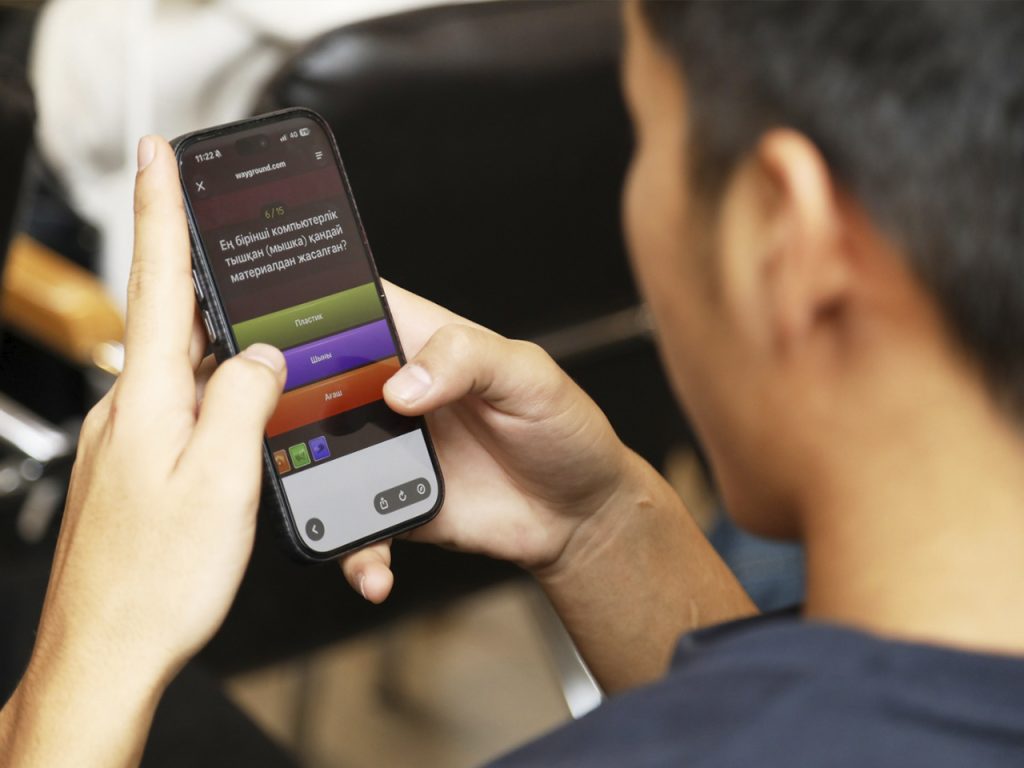
The programme also included the “IT-Battle” intellectual quiz, during which participants tested their knowledge of information technology, programming, artificial intelligence, digital security, and the history of IT. The competition was designed to develop young people’s logical thinking, rapid decision-making abilities, and teamwork skills.
The quiz took place in an engaging and competitive atmosphere and was marked by the active participation of students. In addition to their theoretical knowledge of IT, participants demonstrated their awareness of technological innovations and current digital trends.
The meeting concluded with a summary and an awards ceremony. Letters of appreciation were presented to active participants and the authors of research projects. The organizers expressed their gratitude to the guests, speakers, academic supervisors, and students who contributed to the success and meaningful content of the event.
The “IT-Generation: A Step into the Future” series of educational IT events became a platform for new knowledge and ideas for students. The event helped young researchers and future IT professionals define their career paths, develop project-based and startup thinking, and strengthen links between research and industry.
West Kazakhstan University of Innovation and Technology will continue its efforts to integrate digital technologies and artificial intelligence into educational and research activities, support student startups, promote technology transfer, and expand cooperation with representatives of the IT industry.